
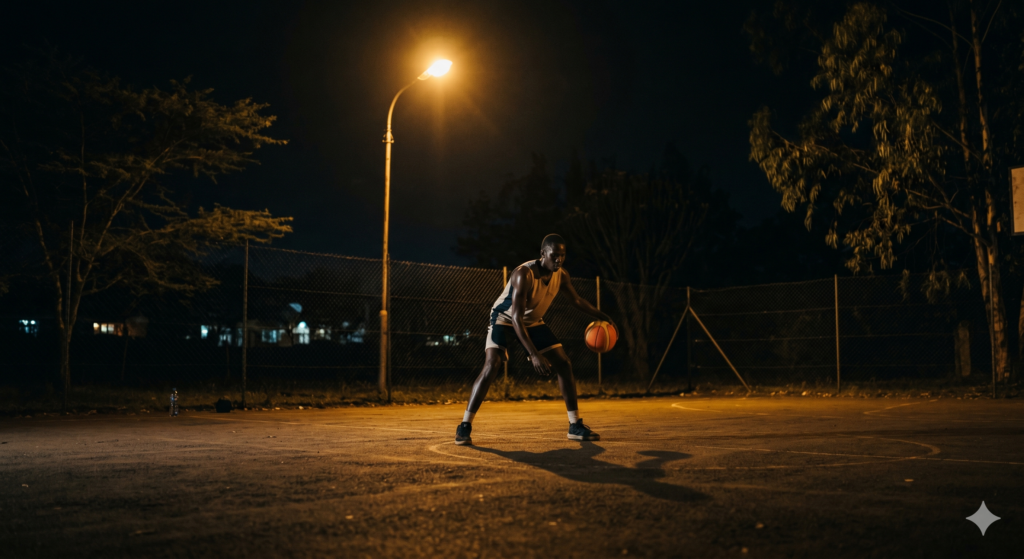
Every basketball player hits a wall at some point. You show up to practice, run the same drills as everyone else, and yet your handles still feel shaky under pressure, your shot isn’t falling consistently, and defenders seem to read your every move. The problem isn’t effort — it’s the lack of personalized attention. That’s exactly where one on one basketball training changes the game.
In a team setting, coaches have to divide their focus across ten, fifteen, or even twenty players at a time. There’s simply no way to diagnose your specific weaknesses, correct your shooting form in real time, or build a development plan around your unique goals. You end up practicing at the pace of the group rather than pushing your own ceiling higher.
One on one basketball training flips that dynamic entirely. It puts a dedicated coach in your corner, someone whose sole focus for that hour is making you a better player. Whether you’re a youth player trying to make the school team, a high schooler chasing a college scholarship, or an adult who wants to dominate your weekend league, private training offers something group sessions simply cannot — a plan built around you.
The results speak for themselves. Players who commit to individualized training consistently see faster improvement in their ball handling, shooting accuracy, defensive awareness, and overall basketball IQ. It’s not magic; it’s the natural outcome of focused repetition, expert feedback, and intentional practice.
In this comprehensive guide, we’ll break down everything you need to know about one on one basketball training. You’ll learn what it involves, why it works, what skills it develops, how to find the right trainer, and even get drills you can start using right away. By the end, you’ll have a clear roadmap to take your game to the next level.
Let’s get into it.
What Is One on One Basketball Training and Why Does It Matter?
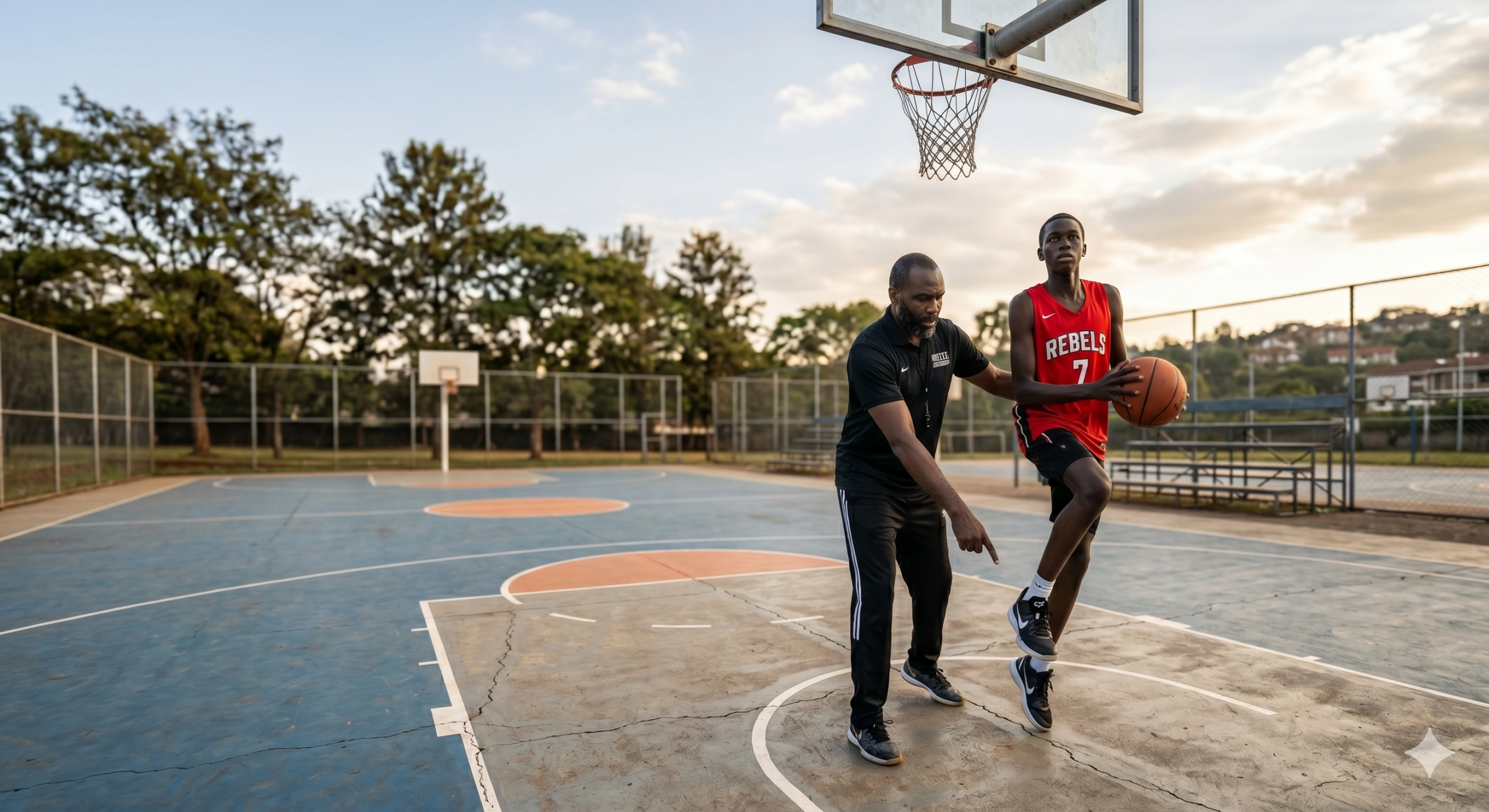
Before diving deeper, it helps to understand what one on one basketball training actually means in practice. At its core, it’s a private session between a single player and a dedicated trainer or coach. Unlike team practices or group clinics, every minute of the session revolves around one person — you.
Think of it this way. In a group basketball camp, a coach might demonstrate a crossover drill and then watch twenty kids attempt it at the same time. Corrections happen on the fly, usually aimed at the most common mistakes rather than your specific habits. In one on one basketball training, the coach watches your crossover, studies your footwork, identifies why you’re losing the ball at a certain angle, and then tailors the correction to your body mechanics and playing style. The difference in quality of feedback is night and day.
It’s also important to distinguish private training from simply playing one on one pickup games. Shooting around with a friend is fun, but it lacks structure, progression, and expert analysis. A proper one on one basketball training session follows a planned curriculum designed to build on previous sessions and push you toward measurable goals.
So who is this type of training for? The honest answer is almost anyone who’s serious about improving. Youth players as young as eight can benefit from age-appropriate individual coaching that builds fundamental habits early. High school athletes use private training to sharpen their competitive edge and stand out in front of scouts. College players work with trainers to refine position-specific skills. Even adult recreational players invest in one on one basketball training to stay sharp, recover from bad habits, or simply enjoy the sport at a higher level.
No matter where you are in your basketball journey, individual training meets you there and builds a path forward that group settings simply cannot offer.
Why One on One Basketball Training Is Worth Every Dollar You Spend
Let’s be real. One on one basketball training costs more than joining a group clinic or signing up for a summer camp. So it’s fair to ask whether the investment is actually worth it. The short answer is yes, and here’s why.
Personalized Feedback That Accelerates Growth
The single biggest advantage of private training is the quality of feedback you receive. A good trainer doesn’t just tell you what you’re doing wrong — they explain why it’s happening and give you a specific fix tailored to your body, your habits, and your skill level. This kind of targeted correction can compress months of slow progress into weeks of focused improvement. You’re not guessing what to work on anymore. Someone who knows the game is showing you exactly where your gaps are and how to close them.
Accountability That Keeps You Consistent
It’s easy to skip a solo workout at the park. It’s much harder to skip a scheduled session with a trainer who’s expecting you, tracking your progress, and holding you to a standard. One on one basketball training creates a built-in accountability structure that most players lack on their own. That consistency is what separates players who plateau from players who keep climbing.
A Training Plan Built Around Your Goals
Every player has different ambitions. Maybe you want to make the varsity squad next season. Maybe you’re preparing for a college showcase. Maybe you just want to stop getting crossed up every weekend at the rec center. Whatever your goal, a private trainer designs each session to move you closer to it. Group programs can’t offer that level of customization because they have to serve the average skill level in the room. One on one basketball training serves only you.
Mental Game Development
Basketball is as much mental as it is physical, and this is an area where individual training truly shines. A skilled trainer will push you into uncomfortable situations on purpose — contested shots, pressure decision-making, fatigue-based reps — and then coach you through how to stay composed. Over time, this builds the kind of mental toughness that shows up in real games when the score is tight and the pressure is on. Group settings rarely create this kind of controlled, intentional mental stress.
Injury-Conscious Training
A private coach can monitor your movement patterns closely and spot mechanical issues that could lead to injury down the road. Whether it’s a hitch in your landing after a jump shot or an imbalance in how you push off on drives, these small details often go unnoticed in team environments. One on one basketball training gives your coach the space to address these concerns proactively, keeping you healthy and on the court longer.
When you add it all up — the faster development, the accountability, the personalized planning, the mental edge, and the injury prevention — the return on investment becomes clear. You’re not just paying for an hour of basketball. You’re paying for a shortcut to becoming the player you want to be.
The Essential Skills You Build Through One on One Basketball Training
One of the most common questions players ask before starting private sessions is straightforward — what exactly will I get better at? The answer depends on your current level and goals, but one on one basketball training consistently develops a core set of skills that translate directly to game performance. Let’s walk through them.
Ball Handling and Dribbling Control
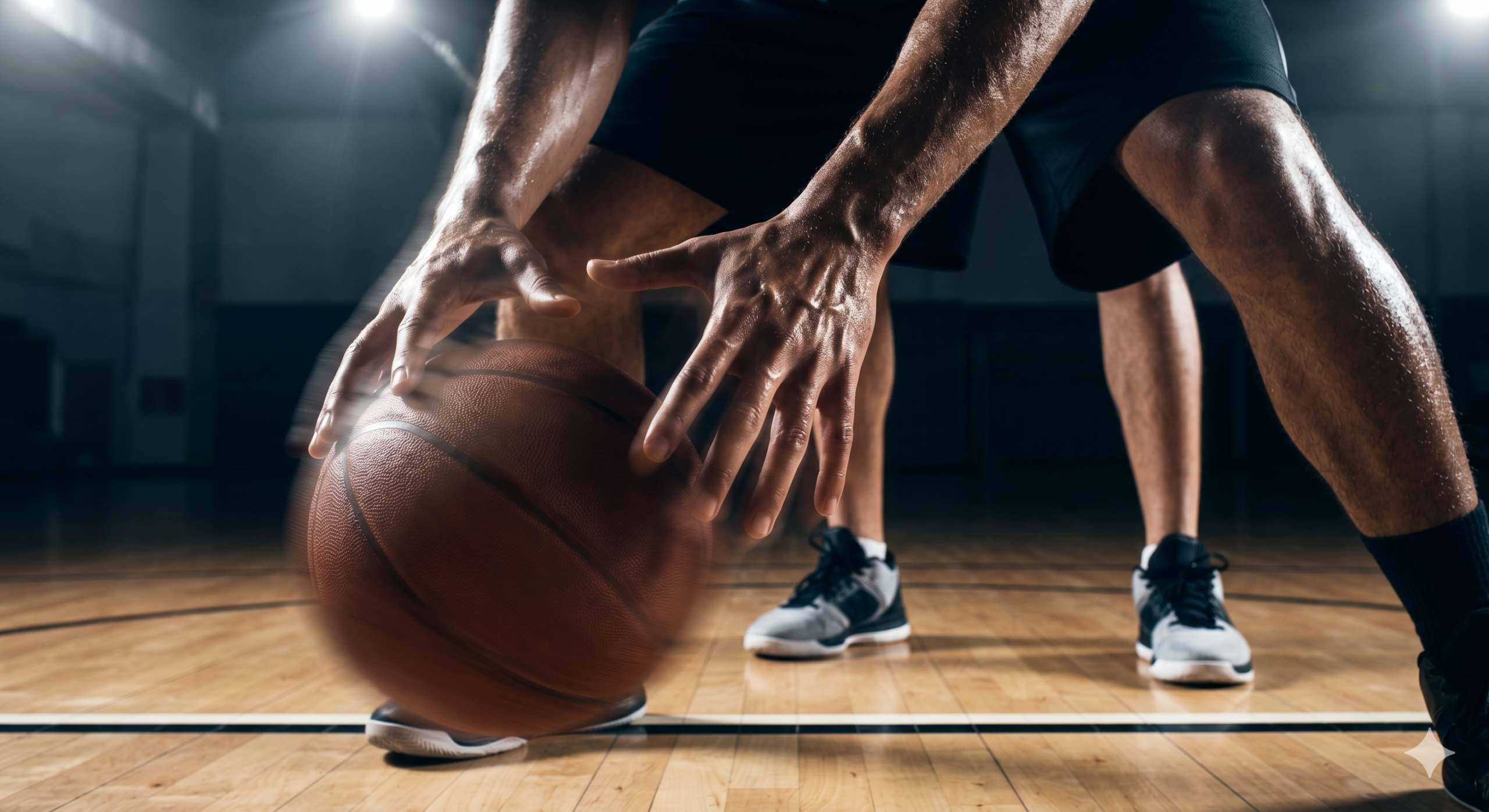
Strong handles are the foundation of everything you do on offense. In private sessions, a trainer can isolate your weak hand, challenge your comfort zone with advanced combination moves, and put you through pressure dribbling scenarios that mimic real defenders. The repetition is intentional and progressive, meaning each session builds on the last. Over time, the ball starts to feel like an extension of your hand rather than something you’re trying to control.
Shooting Mechanics and Consistency
Shooting is where one on one basketball training delivers some of its most visible results. A private coach can break down every element of your shot — foot placement, hand positioning, release point, follow-through, and arc. More importantly, they can identify the specific flaw that’s causing your misses. Maybe your guide hand is interfering at the release. Maybe your base is inconsistent on catch-and-shoot situations. These are details that get lost in group environments but become the entire focus of a private session. The result is a more reliable, repeatable shot.
Footwork and Body Control
Great basketball players move with purpose. Every step has a reason, whether it’s creating space for a pull-up jumper, setting up a defender for a drive, or establishing post position. One on one basketball training puts a spotlight on your footwork in a way that team practices rarely do. Your trainer will drill pivots, jab steps, drop steps, closeout footwork, and change-of-direction mechanics until efficient movement becomes second nature.
Defensive Positioning and Awareness
Offense gets the highlights, but defense wins games. Private training gives you space to work on your defensive stance, lateral quickness, help-side rotations, and on-ball pressure without the chaos of a five-on-five setting. A good trainer will teach you how to read the offensive player’s hips, anticipate drives, and recover when you get beaten. These defensive instincts are difficult to develop in group settings because the focus is almost always tilted toward offense.
Finishing at the Rim
Getting to the basket is one thing. Actually scoring when you get there is another challenge entirely. One on one basketball training allows your coach to work with you on a full menu of finishes — layups with both hands, floaters, euro steps, reverse finishes, and contact layups. You’ll practice these moves at game speed with the trainer providing the type of resistance you’ll face in real competition. This targeted approach builds the kind of finishing ability that turns drives into points instead of turnovers.
Court Vision and Basketball IQ
This is the skill that separates good players from truly smart ones. Court vision isn’t just about passing — it’s about reading the defense, recognizing rotations before they happen, and making the right decision under pressure. In private sessions, a trainer can use film review, whiteboard breakdowns, and situational walkthroughs to develop your understanding of the game at a deeper level. Over time, the game starts to slow down for you because you’re processing information faster and making decisions before the defense can react.
Every player who commits to one on one basketball training walks away with a stronger, more complete skill set. The beauty of private sessions is that your trainer can prioritize whichever of these skills needs the most attention and dedicate real time to building it properly, rather than rushing through a generic checklist that treats every player the same.
Inside a One on One Basketball Training Session — What to Expect
If you’ve never done private basketball training before, walking into your first session can feel uncertain. What will we actually do for an hour? Will it be all drills? Will there be scrimmaging? Understanding the structure ahead of time helps you show up prepared and get the most out of every minute. Here’s what a well-organized one on one basketball training session typically looks like from start to finish.
Warm-Up and Movement Prep (5–10 Minutes)
Every quality session starts with a proper warm-up. This isn’t just jogging around the court. A good trainer will take you through dynamic stretches, footwork activation drills, and light ball handling to get your body and mind locked in. The warm-up also gives your coach a chance to assess how you’re feeling that day. If you’re sluggish or tight from a game the night before, they can adjust the session intensity accordingly. This kind of real-time adaptation is one of the quiet advantages of one on one basketball training that often goes unmentioned.
Primary Skill Focus Block (20–25 Minutes)
This is the meat of the session. Based on your development plan, your trainer will dedicate this block to one or two specific skills that need focused attention. It might be pull-up jump shots off the dribble one week and defensive closeout technique the next. The drills during this phase are intentional, progressive, and repetition-heavy. Your coach will demonstrate, watch you execute, correct in real time, and increase difficulty as you improve within the session itself. Expect to be challenged here — this is where the real growth happens.
Live Situational Reps (15–20 Minutes)
Drills build skill. But games test it. That’s why strong trainers include a live situational segment where you apply what you’ve been practicing in game-like scenarios. This could look like one-on-one play from the triple threat, two-dribble scoring challenges, or closeout-to-contest defensive sequences. The goal is to bridge the gap between isolated drill work and actual in-game performance. Your trainer will pause play when needed to offer coaching points, then let you run it again with the adjustment fresh in your mind. This feedback loop is where one on one basketball training truly separates itself from solo practice.
Cool-Down and Session Review (5–10 Minutes)
A good session doesn’t end when the last whistle blows. Your trainer should walk you through a brief cool-down that includes stretching and light movement to bring your heart rate down. More importantly, this is the time for a short conversation about what went well, what needs more work, and what you should focus on before the next session. Some trainers will give you homework — a specific drill to practice on your own or a film clip to study. This review phase ties the entire session together and gives you clear direction moving forward.
A Note on Session Length
Most one on one basketball training sessions run between 45 minutes and 90 minutes depending on the player’s age, fitness level, and goals. Youth players typically benefit from shorter, high-energy sessions around 45 to 60 minutes. Older and more advanced players can handle longer sessions that include additional film work or conditioning. The right length is whatever allows you to maintain quality effort from start to finish without your focus or form breaking down.
When you know what to expect, you can walk into each session with the right mindset and extract maximum value from every rep. That clarity is part of what makes structured one on one basketball training so effective compared to aimless gym time.
How to Choose the Right One on One Basketball Training Coach for You
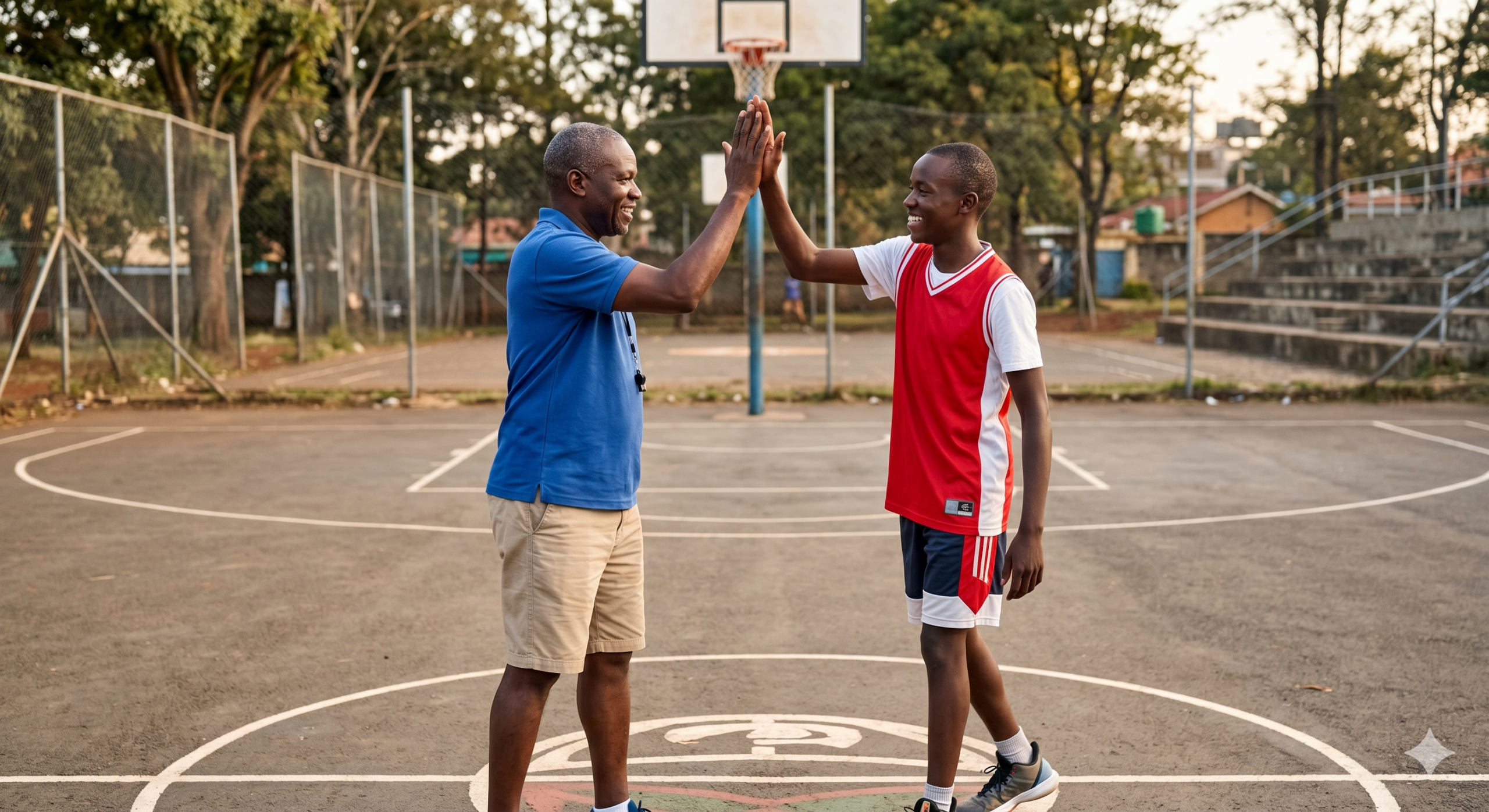
Not all trainers are created equal, and picking the wrong one can waste your time, your money, and in some cases, set your development backward. Finding the right coach is arguably the most important decision you’ll make when starting one on one basketball training. Here’s how to approach it the right way.
Look at Their Playing and Coaching Background
A trainer’s resume matters, but not in the way most people assume. You don’t necessarily need someone who played in the NBA or overseas professionally. What you need is someone who has real, verifiable experience in the game — whether as a college player, a high-level coach, a certified skills trainer, or a combination of all three. More importantly, they should have experience working with players at your level. A trainer who specializes in elite college athletes may not be the best fit for a twelve-year-old just learning the fundamentals, and vice versa.
Evaluate Their Coaching Philosophy
Every good trainer has a clear philosophy about player development. Some emphasize fundamentals and repetition above all else. Others focus heavily on game-speed decision-making. Some blend skill work with strength and conditioning. Before committing, ask potential trainers how they structure their sessions and what their approach is to long-term development. Their answer should feel organized and intentional, not vague. If a trainer can’t articulate how they develop players, that’s a warning sign.
Pay Attention to Communication Style
Basketball training is a relationship. You’re going to spend a lot of time with this person, often during physically and mentally demanding sessions. The right trainer should communicate in a way that motivates you without belittling you, correct you without crushing your confidence, and push you without breaking you. Some players respond well to intense, drill-sergeant energy. Others thrive with calm, technical coaching. Neither style is wrong — but the style has to match the player. The best way to test this is to book a single trial session before signing up for a package.
Ask for References or Testimonials
Any trainer worth their fee should be able to point you toward current or former clients who can speak to their experience. Parents, players, and coaches who’ve worked with them are valuable sources of honest feedback. Social media is another useful window — look at their posts, watch how they interact with players during training clips, and see whether their content focuses on actual development or just flashy highlight reels. One on one basketball training is about substance, not just style.
Consider Location, Facility, and Scheduling
Logistics matter more than people realize. A world-class trainer who’s an hour away becomes hard to commit to consistently. Look at where they train, whether the facility has quality hoops and space, and whether their schedule actually works with yours. Consistency beats intensity in skill development, so choose a setup you can realistically maintain for months at a time.
Red Flags to Watch Out For
A few warning signs should make you pause. Be cautious of trainers who guarantee specific outcomes like scholarships or roster spots — no honest coach can promise that. Be wary of anyone who refuses to let you try a session before committing to a package. Avoid trainers who seem more interested in posting workout clips for their own social media than actually developing you as a player. And always trust your instincts. If something feels off during your first interaction, keep looking.
Finding the right fit takes a little effort upfront, but it pays off many times over. The right coach transforms one on one basketball training from a service you pay for into a partnership that shapes your game for years to come.
Five Powerful One on One Basketball Training Drills to Try Right Now
You don’t need to wait until your next session to start improving. Some of the most effective one on one basketball training drills can be done on your own at any court, with nothing more than a ball, a hoop, and focused effort. The drills below target the skills that matter most in real games. Work through them with intention, not just repetition, and you’ll see real progress within weeks.
1. Two-Ball Dribbling Series
This drill builds hand strength, coordination, and comfort with your weak hand. Grab two basketballs and dribble both simultaneously. Start with simple pound dribbles at waist height for 30 seconds. Then move to alternating dribbles, where one ball is up while the other is down. Finish with crossover patterns where both balls switch hands at the same time. Do three rounds of each variation.
Why it works: Using two balls forces both hands to develop equally, which eliminates the weak-hand problem that plagues most players. It also trains your eyes to see the court instead of staring at the ball.
2. Form Shooting Progression
Start standing two feet from the basket directly under the rim. Using only your shooting hand, focus on a clean release with perfect follow-through. Make ten in a row before stepping back. Move to the elbow, then the free throw line, then the wing, then the three-point line. Reset to the starting position anytime your form breaks down.
Why it works: This progression reinforces proper mechanics before adding difficulty. Most shooting problems stem from poor fundamentals that get masked at longer ranges. Build the shot from the rim out, not the other way around.
3. Mikan Drill for Finishing
Stand directly under the basket. Using your right hand, shoot a right-handed layup off the backboard. Rebound the ball and immediately shoot a left-handed layup on the other side. Continue alternating hands without letting the ball touch the floor. Do two sets of 30 seconds, then two sets of 45 seconds.
Why it works: The Mikan drill is a staple of one on one basketball training because it builds touch, soft hands, and ambidextrous finishing ability. It also conditions you to finish through contact and fatigue.
4. Closeout and Contest Drill
Start at the three-point line in a defensive stance. Sprint toward an imaginary offensive player at the free throw line, break down into a controlled closeout with high hands, and finish with a simulated shot contest. Jog back to the starting position and repeat. Do ten reps per side.
Why it works: Defense is often neglected in solo workouts, but this drill trains the full closeout sequence — sprint, break down, contest — without needing a partner. Done correctly, it builds the lateral quickness and body control that separates average defenders from elite ones.
5. One-Dribble Pull-Up Series
Start at the wing with a triple threat stance. Attack with one hard dribble toward the middle, rise up, and shoot a pull-up jumper. Rebound your shot, return to the wing, and repeat. After ten reps going right, switch to going left for ten reps. Then do the same from the opposite wing.
Why it works: The one-dribble pull-up is one of the most used scoring moves at every level of basketball. Practicing it in isolation builds the footwork, balance, and shooting rhythm needed to execute it confidently in games.
How to Use These Drills Between Sessions
These drills are not a replacement for working with a qualified coach, but they’re the perfect complement. Between your structured one on one basketball training sessions, spend 30 to 45 minutes three times a week running through this drill menu. Track your makes, times, and consistency over time. When you show up to your next session with a trainer, you’ll have cleaner mechanics, stronger fundamentals, and more meaningful questions to work through together. That’s how real players accelerate their development.
How Much Does One on One Basketball Training Cost?
Cost is one of the first questions most players and parents ask, and it’s a fair one. Rates for one on one basketball training vary widely depending on where you live, who you’re training with, and what kind of package you sign up for. Understanding the typical price ranges helps you budget realistically and evaluate whether a trainer’s fee reflects their value.
Typical Price Ranges
In most markets, private basketball training sessions fall between 40 and 150 US dollars per hour. Entry-level trainers or those working with younger players tend to sit on the lower end of that range. Mid-tier trainers with strong coaching credentials and proven track records usually charge between 75 and 120 US dollars per session. Elite trainers — often former professional players or coaches with high-level athlete clientele — can charge 150 US dollars or more per hour, with some well-known names commanding several hundred dollars per session.
In Kenya and other African markets, rates are generally lower, often ranging between 1,500 and 5,000 Kenyan shillings per session depending on the trainer’s experience and the facility used.
What Affects the Cost
Several factors influence how much a trainer charges. Experience and reputation play the biggest role. Location matters too — training in major cities typically costs more than in smaller towns. Facility fees can add to the total if sessions happen at premium gyms. Session length also affects pricing, with 90-minute sessions usually costing 30 to 50 percent more than standard hour-long ones. Finally, many trainers offer discounted rates when you buy sessions in bulk — a 10-session package often works out cheaper per session than booking one at a time.
Evaluating Value Versus Price
Price alone doesn’t tell you whether a trainer is worth it. A 50-dollar trainer who genuinely develops your game is a better investment than a 150-dollar trainer who just runs generic drills. When evaluating cost, think about the full picture — the trainer’s expertise, their development plan for you, the quality of feedback you’re getting, and the measurable progress you’re seeing. One on one basketball training is an investment in long-term skill, not a transaction for gym time. Choose the trainer whose value matches their rate, regardless of where they fall on the price spectrum.
One on One Basketball Training for Every Age and Skill Level
Not every player needs the same kind of training, and a good coach understands that what works for a twelve-year-old won’t work for a twenty-five-year-old. Effective one on one basketball training meets each player where they are developmentally — physically, mentally, and emotionally. Here’s how private training typically adapts across different age groups.
Youth Players (Ages 8 to 12)
For younger players, the focus should be on fundamentals, fun, and confidence. Sessions at this age are all about building a strong foundation — proper dribbling form, correct shooting mechanics, basic footwork, and general athletic coordination. The best youth trainers know how to keep energy high and instructions simple. Long lectures and overly complex drills don’t work with this age group. Sessions usually run 45 to 60 minutes, with frequent variety to hold attention. The goal at this stage isn’t to produce game-ready scorers. It’s to install habits and a love for the game that will pay off for years to come.
Teen Players (Ages 13 to 17)
This is where one on one basketball training becomes a real game-changer. Teen players are physically developing, competing for school team spots, and in many cases, chasing college opportunities. Sessions at this stage become more intense and specialized. Trainers focus on position-specific skills, game-speed decision-making, strength through movement, and mental toughness. Film review often enters the picture, with coaches breaking down game footage to identify tendencies and areas for growth. Session length typically moves to 60 to 90 minutes, and the best players often train two to three times per week during key development periods.
Adult Recreational Players (Ages 18 and Up)
Adults invest in one on one basketball training for different reasons — some want to dominate their weekend leagues, others are returning to the sport after years away, and some simply enjoy the challenge of continued improvement. For this group, trainers balance skill development with injury prevention and smart conditioning. Sessions often include more emphasis on efficient movement, shooting under fatigue, and situational IQ since athletic explosiveness naturally declines with age. The good news is that adults tend to absorb coaching quickly because they’re self-motivated and disciplined. Even one focused session per week can produce noticeable improvement over a few months.
Regardless of age, the core principle remains the same. One on one basketball training works best when the coaching meets the player’s stage of life, goals, and physical readiness — not when it tries to force a one-size-fits-all approach.
Common Mistakes to Avoid in Your One on One Basketball Training Journey
Even with the best trainer and the right intentions, players often make avoidable mistakes that slow their progress. Recognizing these pitfalls early helps you get more out of every session and every dollar spent. Here are the most common mistakes to watch out for when committing to one on one basketball training.
Inconsistency
Skill development is about repetition over time. Players who train intensely for two weeks and then disappear for a month rarely see lasting results. One focused session a week for six months beats ten sessions crammed into one month. Consistency builds muscle memory, reinforces coaching points, and creates the compounding effect that real improvement requires. Treat your training schedule like any other serious commitment — show up, do the work, and trust the process.
Avoiding Your Weaknesses
Too many players gravitate toward drills they’re already good at because it feels good to succeed. But growth happens in the uncomfortable zones. If your left hand is weak, that’s exactly where you should spend more time. If your mid-range game is shaky, don’t hide behind three-point shooting. A good trainer will push you into these weak spots, but you have to show up willing to embrace the struggle. One on one basketball training only works if you’re honest about what needs work.
Not Setting Clear Goals
Walking into sessions without specific goals is like driving without a destination. You might cover miles, but you won’t end up anywhere meaningful. Before starting private training, sit down with your coach and define what success looks like. Maybe it’s raising your free throw percentage by 15 points. Maybe it’s making varsity next season. Maybe it’s becoming a reliable pull-up shooter from the elbow. Clear goals give every session purpose and allow both you and your trainer to measure progress honestly.
Ignoring Work Outside of Sessions
The hour you spend with your trainer is important, but what you do during the other 167 hours of the week matters just as much. Players who only put in work during paid sessions develop slowly. The ones who practice the drills on their own, watch film, take care of their bodies, and stay in basketball shape between sessions are the ones who transform their games. Treat your trainer as a guide, not a crutch. The real growth happens in the work you put in when nobody is watching.
Avoiding these mistakes won’t guarantee overnight results, but it will make sure the time and money you invest in one on one basketball training actually produces the player you’re trying to become.
Take the First Step Toward Elevating Your Game
Basketball rewards the players who are willing to put in focused, intentional work. Team practices and pickup games have their place, but they can only take you so far. The real leap — the kind that turns average players into standouts and standouts into stars — happens when you commit to development that’s built around you. That’s exactly what one on one basketball training delivers.
Throughout this guide, we’ve covered what private training is, why it works, the skills it develops, and how to find the right coach. We’ve walked through what a typical session looks like, shared drills you can start using today, broken down costs, explored how training adapts across age groups, and flagged the common mistakes that hold players back. The thread connecting all of it is simple — personalized, consistent, goal-driven coaching produces results that group settings simply cannot match.
So where do you go from here? Start by being honest with yourself about your game. Identify the weaknesses holding you back. Think about the goals you want to reach in the next six to twelve months. Then begin searching for a trainer whose philosophy, experience, and communication style match what you need. Book a trial session, feel out the fit, and commit to consistency once you find the right coach.
The players who invest in one on one basketball training today become the players defenders can’t guard tomorrow. The work isn’t easy, but it’s worth it. Every great player — at every level of the game — has had someone in their corner pushing them beyond what they thought was possible. Your next breakthrough is one session away.
Lace up, show up, and get to work. Your game is waiting.