
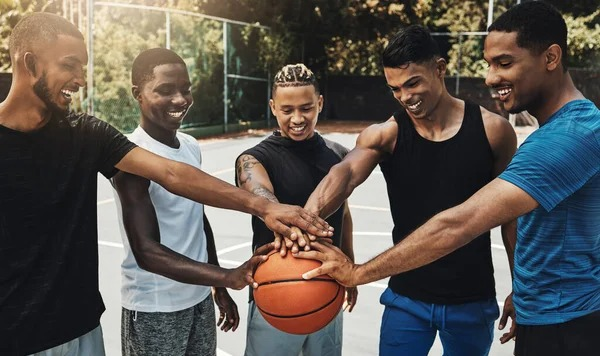
Why This Matters for Parents and Young Players
A season or two can turn a quiet ball-handler into the glue that holds a team together. One day, they’re dribbling with their head down; the next, they’re calling out screens, making the extra pass, and pulling teammates into a huddle. That transformation is the heart of how basketball teaches teamwork and leadership to youths —and why it matters so much for growing youths on and off the court.
Basketball is a fast, honest teacher. Every possession asks youths to communicate, trust, and make decisions under pressure. They learn that leadership isn’t a badge—it’s showing up early, owning mistakes, lifting others, and staying calm when the game tilts. Teamwork becomes practical, not theoretical: spacing for a shooter, setting a screen for a friend, sprinting back on defense because five beat one.
This guide shows How Basketball Teaches Teamwork and Leadership to Youths and why those lessons shape life off the court. It will show nine on-court ways these skills develop, share fun practice games that make them stick, and give parents and coaches simple habits to turn games into life lessons. By the end, you’ll have a clear, actionable playbook to help your youth athlete become the kind of teammate everyone trusts—and the kind of leader who lifts the whole group.
What Teamwork and Leadership Really Mean for Youths
Before we talk drills and games, it helps to define the terms. Teamwork for youths isn’t just “passing the ball.” It’s learning roles (shooter, screener, defender), trusting teammates to do their job, communicating under pressure, and pursuing a shared goal. On a good possession, five players think as one: someone creates space, someone makes the extra pass, someone sprints back on defense—everyone contributes to the result.
Leadership isn’t a badge or a loud voice. For youths, it’s influence through example: showing up early, owning mistakes, encouraging others, and staying calm when the game tilts. Leaders make things easier for teammates—calling out screens, starting a quick huddle, making eye contact after a turnover, or lifting energy on the bench. No title required.
Myth check:
- Leadership ≠ being the loudest; it’s being the most useful to the team.
- Teamwork ≠ passing every time; it’s making the right decision on time.
- Bench players can’t lead? False. Effort, communication, and attitude lead from anywhere.
Look for these everyday “leadership moments” youths can take:
- Help a teammate up after a fall and reset the next play.
- Start a huddle before a free throw: one cue, one focus.
- Call “I’ve got ball!” or “switch!” to organize the defense.
- After a mistake: “My bad—my fix.” Then execute it.
When we frame teamwork as shared responsibility and leadership as service, the game becomes a training ground for character. That’s the pathway by which basketball naturally builds collaborative thinkers and confident floor leaders—skills that follow youths into school, friendships, and life. In short, this is How Basketball Teaches Teamwork and Leadership to Youths—through clear roles, service, and shared goals.
Ways Basketball Teaches Teamwork and Leadership to Youths (With On-Court Examples)
Here are nine game-tested ways you’ll see how basketball teaches teamwork and leadership to kids play out in real time—plus simple cues you can use today. These on-court habits make clear How Basketball Teaches Teamwork and Leadership to Youths without speeches or lectures.
1) Role Clarity & Role Pride
Great teams win because every role matters—screen-setter, rebounder, floor spacer, on-ball defender. When youths understand their job on each possession, trust grows and the offense hums. A “hockey assist” (the pass that leads to the assist) gets celebrated just like a bucket, and suddenly the whole team buys into doing little things well. Leaders reinforce roles in huddles: “You screen for me; I’ll hit the corner; we crash from the weak side.”
Try this: After scrimmage, each player names one role they owned that quarter. Quick shout-outs build pride.
2) Communication Under Pressure
Talking turns chaos into clarity. Calling “screen left,” “switch,” or “one more!” organizes five players in a half-second. Youths learn to use eye contact, hand signals, and calm voices when the game speeds up. Leaders don’t just yell; they translate—simple, specific cues that everyone understands.
Try this: Run a 60-second “silent offense” possession, then repeat with loud, purposeful talk. Debrief which felt faster and smarter.
3) Accountability & Ownership
Mistakes happen; leaders own them. “My bad—my fix” changes blame into action. When a youth turns it over, then sprints back for a chase-down stop, the team learns what accountability looks like. It’s not about perfection—it’s about the next play.
Try this: Track “self-owned errors.” Every time someone owns it out loud and corrects it on the next trip, the team earns a point toward a fun finisher.
4) Selfless Play & Trust
Teamwork is passing up a good shot for a great one. The extra pass, the early kick-ahead, the screen that springs a teammate—these build a culture where everyone hunts the best shot. Trust follows: players cut harder because they believe the ball will find them.
Try this: Set a team assist goal (e.g., 12 in a scrimmage). If they hit it, they “win” practice regardless of score.
5) Emotional Control & Resilience
Leaders steady the group when whistles, misses, or runs go against them. A simple reset—one clap, deep breath, eye contact—keeps heads clear and feet moving. Youths learn that composure is a skill: you feel the heat, then choose the response.
Try this: “Next-play” routine: one clap after any mistake, then a cue word (“Together”) before the inbound. Watch the body language rise.
6) Leading Without a Title
You don’t need captain on your jersey to lead. Energy, effort, and example are contagious. The loudest voice isn’t always the best leader; often it’s the teammate who boxes out every time, helps a friend up, or starts a quick huddle after a turnover.
Try this: Rotate a “Hype Leader of the Day.” Criteria: effort, encouragement, and one smart adjustment—not points.
7) Decision-Making & Shared Basketball IQ
Team leaders make timely decisions: push or pull back, attack closeout or swing, slip the screen or hold. When youths verbalize reads—“baseline’s cut off,” “tag the roller”—they raise everyone’s IQ. The team begins to see the same picture, faster.
Try this: “Three good decisions” challenge per quarter. Players call out one decision they made and why during the break.
8) Respect & Sportsmanship
Respect elevates the game: respect for refs, opponents, coaches, and teammates. Leaders model it by listening, thanking officials, and congratulating effort (not just wins). That behavior keeps focus on growth and keeps tempers from derailing possessions.
Try this: Post-game “3 compliments” ritual—name three things the other team did well. It reframes competition as iron sharpening iron.
9) Consistency & Reliability
The best teammates are predictable in the best way—on time, prepared, steady under pressure. Reliability builds trust, and trust frees everyone to play faster and freer. Leaders pack their bags the night before, know the scout, and bring the same effort on a rainy Tuesday as on championship day.
Try this: Create a simple pre-practice checklist (water, shoes, notebook, focus). Reward streaks of perfect prep—consistency is a superpower.
Practice Games That Grow Teamwork and Leadership (Fun + Simple)
The fastest way to teach culture is to practice culture. These mini-games make the habits visible, repeatable, and fun—showing exactly how basketball teaches teamwork and leadership to kids without a lecture.
1) Captain for a Quarter
Give one youth the armband for a single quarter. Their jobs: call huddles, choose an inbound set, assign matchups, and run a quick “3–2–1” debrief at the buzzer (3 wins, 2 fixes, 1 teammate shout-out).
What it builds: Voice, organization, confidence under pressure.
Variation: Rotate “Silent Captain”—must lead with hand signals and eye contact.
2) No-Dribble Scrimmage
Play 3–5 minute segments where dribbling isn’t allowed. Offense must cut, screen, and communicate; defense must talk through switches.
What it builds: Spacing, timing, talk, trust.
Coach cue: “One more!” on every catch. Count out loud.
3) Five-Pass Rule to Score
You can’t shoot until five clean passes are made. Reward the extra pass that creates a great shot. Track team assists; set a goal.
What it builds: Patience, unselfishness, shared IQ.
At-home cue: Family “five-comment rule” at dinner—five genuine compliments before any critique.
4) Buddy Assist Challenge
Pair teammates. A point is earned only when Player A screens/cuts to free Player B, and B scores off A’s pass (or vice versa). Celebrate “hockey assists.”
What it builds: Role pride, seeing the game for others.
Scorecard: Each pair aims for 3 buddy-assists per scrimmage.
5) Peer Coaching Pairs
Older/experienced youths mentor younger ones for five minutes: one skill, one cue, one rep scheme. Then swap.
What it builds: Teaching = learning, empathy, clarity.
Coach cue: “Say it in 10 words or less.”
Books can spark the same clarity.”
6) 10-Second Huddle Plans
Before each possession, the floor leader calls a 10-second huddle: who screens, who lifts, who crashes, what the first read is. Break with a one-word mantra (“Together”).
What it builds: Fast planning, role clarity, calm under noise.
Measure: Fewer broken possessions, higher shot quality.
Tie leadership micro-moments to bigger growth: “Huddles are where leadership gets real.”
7) At-Home “Team Task” (Family Version)
Choose a simple family project—cook dinner assembly-line style or clean a room in 10 minutes with assigned roles. Debrief like a post-game: Who led? Who communicated? What would we change next time?
What it builds: Transfer of on-court habits to daily life; shared responsibility.
Coach/Parent Pro Tip: End any practice block with a 60-second reflection: “Who led? Who helped? What did we do together that we couldn’t do alone?” These quick debriefs hard-wire the habits you want on game day—and make your interlinking moments feel natural and useful. Use these mini-games to demonstrate How Basketball Teaches Teamwork and Leadership to Youths in real time.
The Parent & Coach Playbook: Turning Games into Life Skills
The fastest way to turn court time into character is to be intentional about what you notice, name, and nurture. For parents and coaches, understanding how basketball teaches teamwork and leadership to kids means catching the right behaviors in the moment and reinforcing them at home so they become habits for youths.
1) Praise the behavior, not just the bucket
Swap “Great shot!” for specifics: “Loved how you called the screen,” “That extra pass created a wide-open look,” or “You owned the turnover and got the stop—big leadership.” Specific praise tells youths what to repeat
2) Run a 3–2–1 debrief (2 minutes, tops)
After practice or a game:
- 3 things that worked (team behaviors)
- 2 things to improve (next actions)
- 1 teammate shout-out (name the assist, screen, or talk)
This keeps reflection short, safe, and focused on team growth.
3) Use WWW / EBI to keep feedback positive
WWW: What Went Well (“We communicated on switches”).
EBI: Even Better If (“Call the screen earlier; see the corner sooner”).
This framing builds ownership without blame and helps youths lead their own improvement.
4) Post a Standards Board everyone signs
Keep it simple and visible:
- We talk.
- We help up.
- We own mistakes.
- We reset fast.
Check one standard before practice; review one after. Standards make culture concrete.
5) Measure what you value
If you only track points, you’ll only get shots. Add a whiteboard for assists, help-ups, “one-more” passes, and talk. What gets measured gets multiplied.
6) Rotate micro-roles
Give youths small leadership jobs: Warm-Up Captain, Huddle Caller, Film Note-Taker, Hype Leader. Leadership grows when it’s practiced, not awarded.
7) Make the walk/ car ride to home count
- Who did you help today?
- What leadership moment did you take?
- What’s one “Even Better If” for next time?
These prompts reinforce teamwork and calm, not just results. For adults, the fastest way to apply How Basketball Teaches Teamwork and Leadership to Youths is to notice, name, and nurture the right habits.
Common Roadblocks (and How to Fix Them Fast)
Ball-Hogging (Hero Mode)
What you’ll see: One player dribbles too long; others disengage.
Fast fixes:
- “One-More” Rule: On the perimeter, look for one extra pass before shooting.
- Five-Pass or Paint-Touch: No shot until five passes or a paint touch.
- Assist Goal: Team “wins” practice at 12+ assists, score aside.
- Film 3 Extras: Clip three extra-pass moments and celebrate them.
Blaming Refs or Teammates
What you’ll see: Eye rolls, hand waves, “That wasn’t my guy.”
Fast fixes:
- Language: “My bad—my fix.” Own it, then state the adjustment.
- Control Jar: Each excuse = 1 coin; empty it by naming 3 controllables.
- Ref Role-Play: Scrimmage with tough calls; practice breathe–clap–cue reset.
Quiet Players Won’t Speak Up
What you’ll see: Silent defense, late switches.
Fast fixes:
- Talk Tickets: 3 required phrases per player (defense/offense/huddle).
- Call-and-Response: Coach cues, team echoes—build to game-loud.
- Mic’d-Up Defender: One player narrates a possession; rotate.
Cliques and Cold Benches
What you’ll see: Same pairs in drills; energy drops when subs enter.
Fast fixes:
- Mixed Pods Weekly: Shuffle partners by number/position/birthday month.
- Buddy-Assist Challenge: Points only when your screen/pass frees a teammate.
- Circle of Appreciation: End practice with one teammate shout-out each.
Star Dependence
What you’ll see: Offense stalls when the top scorer sits.
Fast fixes:
- No-Star Scrimmage: Leading scorer sits 2 minutes each quarter—run a set.
- Touch Rule: Everyone must touch the ball before first two shots.
- Micro-Roles: Hype Leader, Talk Captain, Screen Caller—leadership spreads.
Coach & Parent Cues That Work Immediately
- Praise behaviors (talk, help-ups, extra passes), not just buckets.
- Use WWW/EBI: What Went Well / Even Better If for quick, safe feedback.
- Post a Standards Board: We talk. We help up. We own mistakes. We reset fast
These simple, repeatable fixes turn common roadblocks into culture wins. They’re the day-to-day proof of how basketball teaches teamwork and leadership to kids—in real time, one possession at a time.
Growing Leaders, One Possession at a Time
In the end, the scoreboard fades—but the habits stay. This is how basketball teaches teamwork and leadership to kids: one screen set for a teammate, one calm huddle after a turnover, one “my bad—my fix” that turns blame into action. Possession by possession, youths learn to communicate, to serve, and to carry themselves like leaders—on the court and everywhere else.
If you’re a parent or coach, your superpower is consistency. Notice the right behaviors (talk, help-ups, extra passes), name them out loud, and nurture them with simple routines—3–2–1 debriefs, standards on the wall, and small leadership roles that rotate. Over time, those tiny reps compound into character: reliability, courage, and a team-first mindset.
For more guidance on building positive team cultures, the Positive Coaching Alliance offers excellent tools and frameworks for families and coaches. When your youth buys into these principles, you’ll see it in their game—and you’ll feel it in their life.
Start small this week: choose one practice game and one home prompt, then run them for seven days. Leaders aren’t born in a speech; they’re built in the next rep.