
Introduction — Why Clutch Games Are Won in the Mind
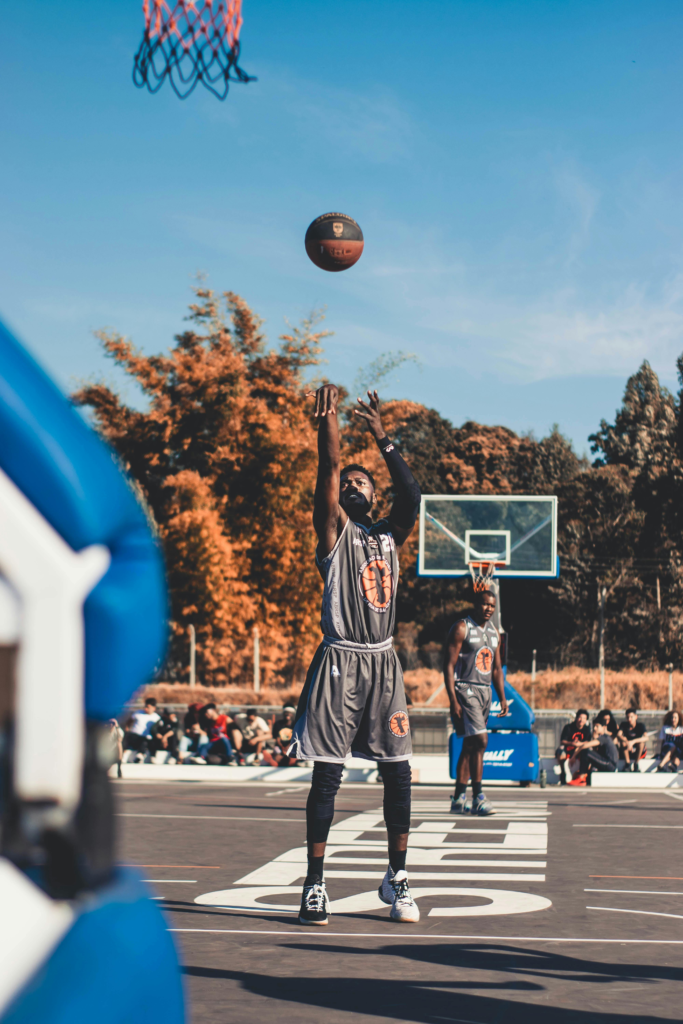
Two minutes left. Crowd roaring. Down by one. One player’s hands are shaking; another’s eyes are steady. Same gym, same defense, same pressure—but totally different outcomes. The difference is basketball mental toughness: the ability to breathe, think clearly, and execute when the moment gets loud.
Here’s the good news—this isn’t magic. It’s a set of habits any young player can train. Mental toughness isn’t about pretending nerves don’t exist; it’s about choosing your response when they show up. The best athletes use simple tools—breathing patterns, reset routines, clear self-talk, and team-first focus—to turn anxiety into action. Possession by possession, those tools build confidence you can feel.
This guide breaks it all down. We’ll define what mental toughness really is (and isn’t), then walk through nine mindset habits that help you win close games: from the breath reset to next-play mentality, from powerful self-talk to pressure rehearsal. You’ll also get plug-and-play drills that make these skills visible at practice, plus a parent & coach playbook to reinforce them at home—without piling on pressure.
Whether you’re a player who wants to be calm at the line, a parent who wants to support the right way, or a coach building a resilient group, you’ll find practical, repeatable steps here. Start small: one breath routine, one reset cue, one car-ride question after the game. Stack those reps and the noisy moments won’t feel so big. They’ll feel familiar—because you’ve trained for them.
What Is Basketball Mental Toughness (Really)?
For youths, the mental game is the ability to stay steady when the gym gets loud. It looks like composure after a turnover, focus at the free-throw line, resilience when the other team goes on a run, and confident self-talk when doubt creeps in. In simple terms: it’s keeping your mind clear so your skills can show up.
A big myth is that this mindset is a “talent.” It isn’t. Talent might get you on the floor, but habits keep you effective under pressure. Players who follow simple routines—same breath, same bounce, same follow-through—perform more consistently than players who ride their emotions. Routines act like rails: they guide you through big moments so you don’t have to guess what to do.
The easiest way to train the mental side is to focus on the controllables—things you can choose in any situation:
- Breath: One slow inhale, one slow exhale to reset before a play.
- Body language: Shoulders tall, eyes up, hands ready—signal belief to yourself and your team.
- Effort: Sprint back, box out, talk on defense; effort needs no permission.
- Attitude: “Next play” mindset—own it, fix it, move on.
When youths commit to these controllables, confidence grows from action, not from hype. Missed shots become information, not identity. A bad call becomes a chance to reset, not a reason to unravel. Over time, the mind learns to follow the routine, and the routine carries the player through pressure. That’s how calm becomes a skill and clutch becomes repeatable.
What Is Basketball Mental Toughness (Really)?
For youths, the mental game is the ability to stay steady when the gym gets loud. It looks like composure after a turnover, focus at the free-throw line, resilience when the other team goes on a run, and confident self-talk when doubt creeps in. In simple terms: it’s keeping your mind clear so your skills can show up.
A big myth is that this mindset is a “talent.” It isn’t. Talent might get you on the floor, but habits keep you effective under pressure. Players who follow simple routines—same breath, same bounce, same follow-through—perform more consistently than players who ride their emotions. Routines act like rails: they guide you through big moments so you don’t have to guess what to do.
The easiest way to train the mental side is to focus on the controllables—things you can choose in any situation:
- Breath: One slow inhale, one slow exhale to reset before a play.
- Body language: Shoulders tall, eyes up, hands ready—signal belief to yourself and your team.
- Effort: Sprint back, box out, talk on defense; effort needs no permission.
- Attitude: “Next play” mindset—own it, fix it, move on.
When youths commit to these controllables, confidence grows from action, not from hype. Missed shots become information, not identity. A bad call becomes a chance to reset, not a reason to unravel. Over time, the mind learns to follow the routine, and the routine carries the player through pressure. That’s how calm becomes a skill and clutch becomes repeatable.
9 Mindset Habits That Win Close Games
When the score is tight and the gym gets loud, basketball mental toughness shows up in small, repeatable habits—not hype. Build these nine and you’ll see calmer decisions, cleaner possessions, and more composure in the biggest moments.
1) The Breath Reset
Pressure speeds everything up—your heart, your thoughts, your feet. Slow it down with a 4–6 count inhale and a 4–6 count exhale. Drop your shoulders, soften your eyes, feel your feet on the floor. One breath won’t make you a different player, but it makes you ready to be the player you already are. On the next whistle, take that breath, name your job (“box out,” “find the corner”), and execute it.
Cue: Breathe → Believe → Execute.
2) Next-Play Mentality
Everyone makes mistakes. Winners move first. Miss a layup? Sprint back, wall up, and get the stop. Turn it over? Point to your chest—my bad—then say my fix and make it. Teams can script this with a single reset cue after errors: one clap, eye contact, one word (“Together”). The message is simple: we don’t live in the last possession; we lead into the next one.
Cue: My bad—my fix.
3) Ownership Language
Words shape focus. “They didn’t call it” keeps you stuck; “I’ll adjust my finish” moves you forward. Swap they/you for I/we: “We’ll communicate the switch earlier,” “I’ll get my feet set.” After practice, write two lines: one fix and one rep you’ll do tomorrow. Ownership turns frustration into a plan—and plans build confidence you can feel in your legs late in games.
Cue: Own it. Plan it. Do it.
4) Process Over Outcome
Outcomes are noisy; processes are controllable. Don’t chase makes—chase shot quality. Count the things that travel in every gym: deflections, box-outs, talk, two-feet finishes, great passes. When players grade the possession instead of the result, nerves drop and execution rises. Over time, good processes make good outcomes a habit.
Cue: Win the possession.
5) Visualize the Reps
Your brain loves rehearsal. Close your eyes for 30–60 seconds and run a clean clip: catch, dip, eyes soft, hold the pose; or step to the line, deep breath, bounce-bounce-pause, through the net. Visualization primes the same neural pathways as physical reps. Do it pregame, at timeouts, or before free throws. See it right to do it right.
Cue: See the sequence, then be the sequence.
6) Powerful Self-Talk Scripts
Under stress, your inner voice gets loud. Give it a job. Short, strong scripts keep you present: “Calm. Strong. Ready.” “Feet set—eyes soft—hold the pose.” Replace “don’t miss” (future-focused fear) with “through the net” (present-focused action). Say it quietly as you catch; finish it as you follow through. Your voice becomes your anchor when the game tilts.
Cue: Words that work: short, simple, now.
7) Pressure Rehearsal
Don’t meet pressure for the first time in a championship. Create it. Add crowd noise on a speaker, run a 10-second shot clock, or hand out “adversity cards” (missed call, turnover, down two with 0:12). Keep stakes tiny—lose a ladder rung, do two push-ups—so reps stay playful but real. The point is familiarity: when chaos arrives, your body says, “I’ve been here.”
Cue: Train the storm, then trust the sail.
8) Routine Builds Confidence
Routines are rails that guide you through big moments. Pre-game: water, warm-up sequence, two calm breaths. In-game: between-quarter reset (one cue word, one role reminder). Post-game: 3–2–1 debrief (3 wins, 2 fixes, 1 teammate shout-out). Consistency breeds calm; calm lets your training show up when it matters.
Cue: Same prep, any game.
9) Team-First Framing
Pressure shrinks the world to “me.” Flip it back to “we.” Look for the extra pass, help a teammate up, call out the screen you see. Serving the group takes you out of fear and into purpose. Athletes who play for something bigger—teammates, standards, the next right play—find sturdier confidence because their identity isn’t riding on one shot.
Cue: Make it easier for someone else.
Drills & Micro-Practices to Train Basketball Mental Toughness
To train basketball mental toughness, turn it into short, repeatable habits that show up every day—before, during, and after practice.
1) FT Pressure Ladder
Sprint to simulate game legs, then step to the line for two makes in a row. Miss? Sprint back and repeat. As players improve, add noise or a countdown. End each rep with the same breath and routine (bounce–bounce–pause).
Why it works: Combines fatigue, nerves, and a simple routine—exactly like end-game moments.
Coach cue: “Routine first, result second.”
2) 1-Possession Scrimmages
Coach sets a scenario: Side-out, tie game, 0:12; need a stop. Play just one possession. Winners rotate courts; others reset and try again.
Why it works: Forces clarity and composure when there’s no time to think.
Coach cue: “One plan. One voice. Execute.”
3) Scoreboard Swings
Run two-minute games with built-in drama: Down 4 with 1:00 or Up 3 with 0:40 and no timeouts. Switch roles quickly so everyone feels both sides of pressure.
Why it works: Teaches clock, fouls-to-give, shot quality, and emotional control.
Coach cue: “Win the possession, then the minute.”
4) Noise & Adversity Cards
Keep a small stack of index cards: Missed call, Turnover on inbounds, Bench noise, Opponent run. When a card appears, the team must run a reset: one breath, one clap, one cue word (“Together”), captain addresses the ref respectfully, then play.
Why it works: Normalizes chaos and gives players a go-to reset.
Coach cue: “Feel it, name it, reset it.”
5) Mindfulness Minute
Bookend practice with 60 seconds of box breathing (inhale 4, hold 4, exhale 4, hold 4). Eyes soft, shoulders down, hands open. Add a one-word intention before the first drill (“Composed”) and a one-word reflection at the end (“Proud”).
Why it works: Trains downshifting on command—vital before free throws or huddles.
Coach cue: “Slow breath, fast feet.”
6) WWW/EBI Journaling (2 Minutes)
After practice, players jot What Went Well (3 bullets) and Even Better If (2 bullets). Finish with one action for next time. Keep cards in the gym bag to build a streak.
Why it works: Converts feelings into plans; confidence comes from preparation, not pep talks.
Coach cue: “Own it on paper, show it on court.”
Natural internal link: When you talk about routines and follow-through, point readers to “More than Just a Game: Discipline in Youth Sports” for building habits at home.
7) Team Standards Scoreboard
Track behaviors that travel: talk, help-ups, box-outs, extra passes, next-play resets. Celebrate the team with the highest behavior total, not just the highest score.
Why it works: Players focus on controllables and stay present.
Coach cue: “What we measure, we multiply.”
Read our blog on “True Sportsmanship in Basketball — Lessons Every Player Should Learn Early.”
Micro-Practice: The 10-Second Huddle
Before any special-situation rep, let a player lead a quick huddle: who screens, who spaces, first read, and the reset word.
Why it works: Builds voice, organization, and calm under noise.
Coach cue: “One plan, one voice.”
Run two or three of these elements daily. Small, consistent reps create players who can breathe, choose a cue, and execute—no matter how loud the gym gets.
Parent & Coach Playbook — Make Mental Toughness a Habit
Skills stick when adults make them visible, simple, and repeatable. To turn basketball mental toughness into a habit at home and in practice, focus on what you notice, name, and nurture every day.
Praise behaviors, not just buckets.
Swap “Great shot!” for specifics: “Loved your reset after that turnover,” “Your talk on defense organized everyone,” “That sprint-back saved a layup.” When you praise the reset, talk, and effort, youths repeat them in pressure moments.
Run a 3–2–1 debrief (two minutes).
After practice or games, ask for 3 wins (behaviors), 2 fixes (next actions), 1 teammate shout-out (assist, screen, help-up). It keeps reflection short, safe, and focused on growth.
Car-ride/ walk home questions that build the mind.
Trade outcome talk for process cues: “How did you reset today?” “Who did you help?” “What’s one thing you’ll try next time?” These questions reinforce calm, service, and ownership.
Fuel the brain: sleep, water, simple food.
Clutch thinking needs a clear brain. Prioritize sleep, hydration, and simple nutrition (carbs + protein around training). When your “Nutrition for Young Players” post is live, link it here.
Measure what you value.
If you only track points, you’ll only get shots. Add a whiteboard for talk, help-ups, box-outs, extra passes, and next-play resets. What you measure multiplies. Read what sports psychologist are saying about basketball mental toughness.
Common Roadblocks (and Fast Fixes)
Choking / Overthinking
- Problem: Freeze at the line or in crunch time.
- Fix: Count a slow inhale/exhale (4–6), pick one cue word (“Smooth”), and simplify to one action: see it → shoot it. Practice with a 10-second clock and noise so the routine feels familiar.
Anger at Refs
- Problem: Energy spirals after calls.
- Fix: One-clap reset, eyes up, captain only speaks to the ref. Use a Control Jar: each complaint = 1 coin; empty it by naming three controllables you improved (breath, body language, effort).
Fear of Mistakes
- Problem: Playing scared, no attempts after a turnover.
- Fix: Two green lights after any mistake: player must take the next open shot or assertive drive. Pair with “My bad—my fix” language and immediate film of the right decision, even if it missed.
Negative Body Language
- Problem: Slumped shoulders, hands on hips, eyes down.
- Fix: Instant team cue: shoulders tall, chin up, hands ready. Make it measurable—teammates earn a point each time they catch and correct a teammate’s posture.
Close the loop by reminding the group that turning problems into processes—breath, cue words, standards—creates calm under noise. That’s how you build basketball mental toughness one possession at a time.
A Quick Story — From Nervous to Clutch
Nate used to avoid the ball late. Two missed free throws in a weekend tournament lived rent-free in his head, and you could see it in his feet—hesitation, then a rushed pass. We built a tiny routine: one breath, “Smooth” cue, two bounces, eyes soft, hold the pose. In practice, we added noise and a 10-second clock.
A month later, tie game, eight seconds. Nate caught on the wing, exhaled, whispered “Smooth,” jab-stepped, rose in rhythm, held the follow-through. Net. No magic—just repetition doing its job. After the handshake line he smiled, “Coach, it felt like practice.”
Moments like that are the quiet proof of basketball mental toughness: not hype, not superstition, but small habits layered until confidence shows up exactly when you need it.
FAQs (Parents Ask, Coaches Answer)
At what age should we start working on the mental side?
As soon as youths start organized play. Keep it playful: one breath reset, one cue word, one standard (“We help up”).
How do we measure progress besides points?
Track controllables: talk, help-ups, box-outs, extra passes, next-play resets, and free-throw routine consistency. Review them in a quick 3–2–1 debrief.
Can introverts be clutch leaders?
Absolutely. Leadership is service and example, not volume. Introverts often excel at calm resets, precise communication, and steady body language in pressure.
How do we balance fun with pressure practice?
Keep stakes tiny (ladder rungs, two push-ups) and celebrate behaviors. Pressure should feel like a game, not a judgment.
What are early burnout red flags?
Chronic dread before practice, irritability, sleep trouble, or loss of joy. Pull back volume, add variety, emphasize play and relationships over results. Re-center on routines, rest, and the standards board.
Conclusion — Calm, Confident, Clutch
Habits beat hype, every time. Possession by possession, you build the calm that shows up when it counts. This is basketball mental toughness: one breath reset, one clear cue, one team-first decision repeated until it’s automatic.
Your one-week challenge: pick one drill and one car-ride question.
- Drill: Run the FT Pressure Ladder after practice—two makes in a row with your routine (breathe, bounce–bounce–pause, hold the pose).
- Car-ride question: “How did you reset today, and who did you help?”
If you want a deeper character lens, pair these habits with our guides on Discipline in Youth Sports, True Sportsmanship in Basketball, and Life Lessons from Basketball . Together, they turn skills into values that travel far beyond the court.
Keep it simple. Keep it consistent. Breathe, choose a cue, serve the team, and trust your prep. The calm, confident, clutch version of you isn’t a surprise—it’s the natural result of small habits stacked day after day.