
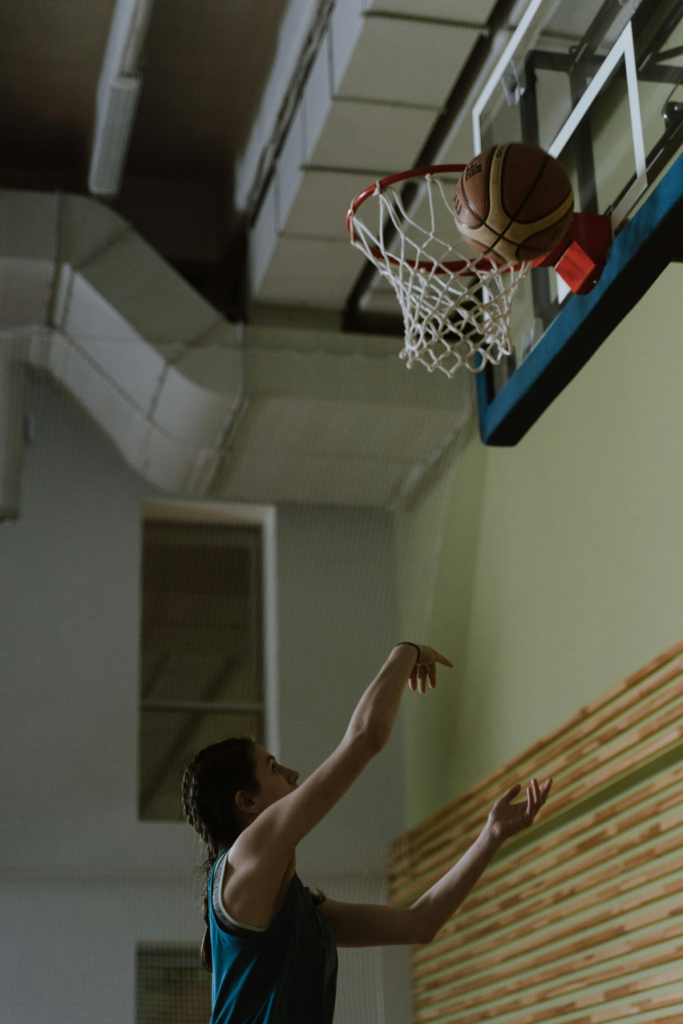
Why Home Reps Change Everything
There’s a quiet hour most people miss—the one with no coach, no crowd, just a ball, a bit of space, and your decision to get better. That’s where confidence is built and bad habits get replaced. This guide breaks down the most important things to work on in basketball at home so youths can grow faster between practices. When the gym is closed and the team’s not around, you can still sharpen your handle, tighten your footwork, and train your mind to stay calm under noise.
Here’s the promise: practical, space-friendly drills you can run in a hallway, driveway, or small room; simple ways to track progress so you see improvement; and mindset cues that keep you consistent when motivation dips. We’ll cover 15 skill blocks you can rotate all week, three 20-minute templates that fit busy schedules, and a parent/coach playbook to make feedback supportive, not stressful. By the end, you’ll have a clear plan to turn quiet hours into big gains—one focused rep at a time.
Set Your Space — Gear, Safety, and Simple Tracking
You don’t need a full court to get better—you need a smart setup. Start with minimal gear: a basketball, floor tape or markers (to create lines and targets), a wall or sturdy door for passing and form shooting, a jump rope, a light resistance band, and a notebook or phone for tracking. If you’ve got cones, great; if not, water bottles work.
Keep it safe and neighbour-friendly. Choose a non-slip surface (rubber mat, carpet square, or dry concrete), clear the space of chairs and clutter, and place a towel or foam square at the wall target to soften noise and protect paint. If you’re indoors, use a softer ball or dribble on a mat to reduce sound. Mind shared walls and late hours—great habits include respecting the people around you.
Make progress visible with simple tracking:
- Habit grid: 15–20 minutes a day, check the box—consistency beats marathons.
- Weekly tests: 30-second timed dribbles (right/left), 25 wrist-flick form shots on the wall with a “perfect” standard (straight spin, clean arc), 20 accurate wall passes to a taped square.
- Video check: Record 10–15 seconds of a drill, then compare to last week. Look for lower hips, quieter hands, smoother footwork.
Dial in the space once, and every session becomes plug-and-play: ball down, timer on, reps logged, progress saved. That’s how quiet work turns into visible improvement.
15 Things to Work on in Basketball at Home
Here are 15 things to work on in basketball at home—each with what to do, why it matters, how to run it, and how to measure progress.
1) Ball-Handling Base (Pound, In/Out, Cross)
What/Why: Build control and rhythm so your handle holds up under pressure.
How: 3×30s each—pound right/left, in–out right/left, crossovers. Hips low, eyes up, quiet upper body. Rest 15s between sets.
Measure: Track mistakes per set and right/left parity. Aim for fewer fumbles and equal speed both hands.
Cue: Low hips, loud bounce.
2) Weak-Hand Takeover
What/Why: Remove your biggest limiter—one-handed play.
How: Stationary low dribble, walking dribble around the room, figure-8 only with the weak hand. Add “toothbrush-time dribbles” daily.
Measure: Time to 100 clean weak-hand dribbles; reduce stumbles weekly.
Cue: Left lives first (swap if your right is weak).
3) Form Shooting on a Wall
What/Why: Pure mechanics without distance anxiety.
How: One-hand wrist flicks at a taped target, off-hand parked on chest. 50 reps, hold the pose 2 seconds.
Measure: 10 “perfects” in a row (clean spin, straight line to target, quiet body).
Cue: Elbow under, hold the pose.
4) Footwork Patterns (1–2, Hop, Inside-Pivot)
What/Why: Feet deliver balance; balance delivers makes.
How: Use floor tape lines. Dry reps: catch stance → 1–2 into shot pocket; hop into shot pocket; catch → inside-pivot to face.
Measure: Video 10 reps—check still head, stable base, ball to pocket before rise.
Cue: Feet first, hands quiet.
5) Finishing Footwork (Mikan, Reverse, Pro-Hop Steps)
What/Why: Finishers’ score without elite vertical.
How: No hoop needed—practice step patterns and touch against a wall/target: regular Mikan footwork, reverse Mikan steps, pro-hop plant–gather–extend.
Measure: 10 smooth sequences each without stutter steps.
Cue: Soft steps, soft touch.
6) Passing Accuracy (Targets on Wall)
What/Why: Hit shooters on time/on target.
How: Tape a small square at chest height. 10 chest, 10 bounce, 10 overhead—repeat 3 rounds. Step into each pass, thumbs down on finish.
Measure: 25/30 target hits. Shrink the square as you improve.
Cue: Aim small, miss small.
7) Catch-Ready Habits (Hands, Eyes, Stance)
What/Why: Most turnovers happen before the catch.
How: Toss to self from different angles; flash hands early, eyes soft to the ball, knees unlocked. Add quick rip-through into shot pocket (no shot).
Measure: Count “clean catches” in a 60s block; track improvement.
Cue: Hands early, eyes soft.
8) Defensive Stance & Slides
What/Why: Defense travels—no hoop required.
How: 4×20s slide intervals with 20s rest. Stance: knees over midfoot, back flat, chest up, hands active. Slide on the line, don’t cross feet.
Measure: Mark start/end points; increase distance covered in 20s.
Cue: Quiet feet, loud talk.
9) Closeouts & Contest Form
What/Why: Arrive under control; change shots without fouling.
How: Start under the rim line (or wall mark), sprint to a “shooter” spot, short chop steps, high hand to contest, no fly-by.
Measure: 10 perfect reps with balanced stop (no drift past the spot).
Cue: Chop, stop, show.
10) Rebound Timing (Self-Toss)
What/Why: Position + hands beat height alone.
How: Self-toss high; quick two-step to “hit–find” (imagine boxing out a body), then two-hand secure at peak, chin the ball.
Measure: 20 clean grabs without a drop.
Cue: Hit, find, two hands.
11) First-Step Quickness (Line Hops, Fall Starts)
What/Why: Create separation on demand.
How: 3×10s multi-direction line hops (front/back, side/side, X pattern). Then 5×3m fall-start bursts: lean until fall → explode to line.
Measure: Count hops per set; time 3m bursts—get faster weekly.
Cue: Quiet load, loud go.
12) Conditioning You’ll Actually Do (Jump Rope)
What/Why: Simple, joint-friendly conditioning you’ll stick with.
How: 5×45s jump rope, 15s rest. Mix basic, high-knees, side-to-side, boxer step.
Measure: Unbroken intervals ↑; trip count ↓.
Cue: Light feet, steady breath.
13) Core & Mobility (Anti-Rotate, Hips, Ankles)
What/Why: Stable center + mobile joints = efficient movement.
How: Dead bug (anti-rotate), plank shoulder taps, hip openers (90/90), ankle rocks against wall. 2 rounds, 30–40s each.
Measure: Fewer wobbles on taps; deeper hip/ankle range without pain.
Cue: Strong middle, free joints.
14) Film & Shot Selection IQ
What/Why: Better decisions = better results without new skills.
How: Watch 10 minutes: “good shot vs great shot,” extra-pass chains, defensive rotations. Note 3 reads you’ll use next game.
Measure: Bring notes to practice; track “great shot” attempts next scrimmage.
Cue: Best shot, not first shot.
Natural internal link: When you discuss respectful plays and team choices, link to True Sportsmanship in Basketball or Life Lessons from Basketball.
15) Mindset Routines (Breath, Self-Talk, Reset)
What/Why: Calm is trainable; routines make it repeatable.
How: 60s box breathing to start and finish. Pick one cue word (“Smooth”). After any mistake in drills, one clap + “next play.”
Measure: Count resets used per session; aim for faster bounce-back.
Cue: Breathe → cue → execute.
Natural internal link: Tie this to Basketball Mental Toughness or Discipline in Youth Sports to reinforce habits.
20-Minute Home Workouts (3 Templates)
Rotate these to cover the core things to work on in basketball each week. Set a timer, hit the cues, and log your reps so progress is visible.
Handles + Footwork — 20:00 Mins (Template A)
- 5:00 Dribble Series: Pound R/L, in–out R/L, crossovers (30s on/10s off). Cue: low hips, eyes up.
- 7:00 Footwork: 1–2s, hop stops, inside-pivots on taped lines (30s each, repeat). Cue: feet first, hands quiet.
- 5:00 Form Shooting (Wall): One-hand wrist flicks to target; hold the pose 2s.
- 3:00 Mindset: Box breathing (4-4-4-4) + cue word (“Smooth”).
Defense + First Step — 20:00 Mins (Template B)
- 6:00 Stance & Slides: 4×30s slides with 30s rest; finish with 2×30s lane-width shuffles. Cue: quiet feet, loud talk.
- 5:00 Closeouts: Sprint–chop–stop–show for 10 reps, then add “no fly-by” contests.
- 6:00 First-Step Bursts: 3×10s line hops (front/back, side/side, X), then 5×3m fall-start sprints.
- 3:00 Jump Rope Finisher: 3×45s with 15s rest (boxer step/high knees).
Finishing + Passing — 20:00 (Template C)
- 7:00 Finishing Steps: Mikan, reverse Mikan, pro-hop patterns against a wall/target (smooth sequences).
- 6:00 Passing Targets: Chest/bounce/overhead to a taped square (10 each, repeat). Cue: aim small, miss small.
- 4:00 Catch-Ready Habits: Toss to self from angles; show hands early → rip to shot pocket.
- 3:00 Breath Reset: One-minute box breathing to start and finish; clap + “next play” after any mistake.
Progression ladders (pick one per week):
- Time: Add +5s per interval or +2 minutes to the template.
- Reps: Increase by 10% (e.g., 30 to 33 wall passes).
- Complexity: Handles → add combos; Footwork → add shot pocket; Defense → longer slides; Passing → shrink target; Finishing → add weak-hand only.
Small, consistent sessions beat random marathons—stack these 20-minute blocks and watch your confidence jump on game day.
Parent & Coach Playbook for Home Sessions
Home reps stick when adults make them simple, specific, and celebrated. Focus on what you notice, name, and nurture.
Praise the right behaviors (not just outcomes).
Swap “Nice!” for specifics: “Loved your low hips on the dribble set,” “Great talk during closeouts,” “You finished the whole timer—strong follow-through.” Praise effort, organization, talk, and completion so youths repeat them tomorrow.
Run a fast 3–2–1 reflection (under 2 minutes).
- 3 wins: call out behaviors (consistency, clean footwork, calm resets).
- 2 fixes: one technical (e.g., quieter hands), one habit (e.g., set timer first).
- 1 teammate/family shout-out: who encouraged or helped.
Make consistency visible.
- Habit grid on the fridge: check 15–20 minutes daily. Streaks = confidence.
- Two minutes to tidy: end every session by coiling rope, logging reps, packing the ball—tiny ritual, big signal: “I’m an athlete.”
- Weekly test card: timed dribbles, wall-pass accuracy, perfect-form flicks. Date it, save it.
Use walk home/car-ride prompts that build the mind.
Ask: “What rep felt smoother today?” “Where did you use a reset?” “What will you change tomorrow?” Keep it curious, not critical. Curiosity grows ownership.
Model the calm you want.
If a drill goes sideways, breathe once, smile, and say, “Next play.” Youths copy what we do more than what we say.
Connect skills to character:
When celebrating teamwork decisions or smart shot choices, check out our posts on Life Lessons from Basketball (decision-making), Discipline in Youth Sports (routines that stick), and True Sportsmanship in Basketball (respect and fairness). It shows that home reps build more than skills—they build people.
With clear praise, small rituals, and consistent reflection, home sessions become a laboratory for growth—and that growth follows your youth into practice, games, and everyday life.
Common Mistakes at Home (and Quick Fixes)
Over-dribbling with eyes down
When the ball becomes a yo-yo, vision disappears. Fix it by alternating 30s dribble / 30s wall passes to a taped square. Add a “rule of three”: after any three-move combo, you must pass to the target. Use a soft metronome count (1-and-2-and) to keep tempo and posture steady.
Sloppy footwork
Speed hides errors. Slow to show. Do slow-motion reps on taped lines: 1–2 into shot pocket, hop stop, inside pivot. Record 10 seconds on your phone and check three cues: feet first, head still, hands quiet. Clean reps > fast reps.
Form breaks under fatigue
When quality drops, confidence drops with it. Use micro-sets (20s on, 40s off) and stop a drill when you can’t hit 7/10 quality cues. Rotate muscles (handles → footwork → passing) so freshness returns before repeating.
Skipping the mindset work
Mechanics improve faster when the mind is calm. Start and finish with 60 seconds of box breathing (4-4-4-4), choose one cue word (“Smooth”), and pair mistakes with a next-play clap to reset. Log a two-line reflection: What felt better? What changes tomorrow?
Dialing in these basics keeps home sessions efficient, respectful of space, and focused on habits that travel to game day. Fixing these keeps you focused on the most useful things to work on in basketball.
A Quick Story — The Quiet Hour Payoff
Dan wasn’t the loudest kid on the floor, but he wanted the ball to feel safe in his hands. He committed to 15 minutes a night—no excuses. On Mondays, Wednesdays, and Fridays he ran Template A (Handles + Footwork): pound/in-out/cross, then 1–2s on taped lines, finishing with wall-form flicks. Tuesdays and Thursdays he hit Template B’s defense burst: slides, closeouts, and three short fall-start sprints. Every session began and ended with one minute of box breathing and the cue word “Smooth.”
The first week, his 30-second weak-hand dribbles were choppy—64 clean bounces. By week three, he logged 88 with eyes up. Wall-pass accuracy climbed from 19/30 to 27/30 on a shrinking square. In scrimmage, something subtle changed: he caught cleaner, showed hands earlier, and didn’t flinch after a turnover—one clap, next play. Two games later, Tariq had zero live-ball turnovers and hit 6/8 free throws using the same breath routine from his bedroom.
Nothing dramatic—just quiet, consistent reps and simple routines stacked night after night. The gym didn’t get easier; Tariq got calmer. And when the ball found him in the last minute, he felt like he’d already been there—because, in the quiet hour, he had.
FAQs (Parents Ask, Coaches Answer)
How much time per day is enough?
Fifteen to twenty focused minutes beats an unfocused hour. Run one 20-minute template (or 2×10) and check a habit grid. Aim for 5 days/week; consistency compounds.
What if space or noise is limited?
Use a soft ball on a mat, dribble during daytime, and shift to wall passing, form shooting wrist flicks, footwork on taped lines, jump rope, and mindset at night. Keep neighbors happy—respect is part of the work.
How do we know the reps are “right”?
Pick one cue per drill (e.g., “feet first,” “eyes up,” “hold the pose”). Film 10–15 seconds weekly and compare. If form breaks, shorten intervals (20s on/40s off) and slow down until it’s clean.
How do we keep it fun?
Gamify: timed challenges, target scores (25/30 wall hits), “streak” days on the habit grid, and tiny rewards for new bests. Rotate the three 20-minute templates so variety stays high and boredom stays low.
When should we add resistance or complexity?
After two green lights: (1) form stays clean at current speed, and (2) the athlete meets last week’s target comfortably. Then add a small step: shrink the pass target, add a second dribble move, increase slide time, or use a light band for core/bracing—one variable at a time.
What should parents say on the car ride/walk home?
Keep it growth-focused: “What rep felt smoother today?” “Where did you use a reset?” “What will you change tomorrow?” Curiosity fuels ownership—and ownership turns home reps into game confidence.
Little Reps, Big Jump
Consistency beats intensity. Stack quiet, focused minutes and you’ll see real gains where it matters—footwork cleaner, handle safer, mind calmer. Focus on the things to work on in basketball that travel anywhere: control, balance, decision-making, and simple reset routines. That’s how home practice becomes game confidence.
Your one-week challenge: pick one 20-minute template and track three metrics every session—30s weak-hand dribbles (clean bounces), wall-pass accuracy to a taped square, and slide distance in 20 seconds. Log it. Celebrate streaks. Adjust one variable at a time (time, reps, or complexity).
To go deeper on the mindset that keeps you steady, read our guides on Basketball Mental Toughness, Discipline in Youth Sports, and Life Lessons from Basketball, for an external, research-backed framework, you can read more on USA Basketball Youth Development .
Keep it simple: prepare your space, set the timer, run the cues, write the wins. Little reps turn into big jumps when you show up tomorrow—and the next day—with the same calm, deliberate focus. The quiet hour is where confidence starts; the court is where it shows.